

About us
The industry grew faster than its oversight did.
Medical aesthetics became a multi-billion dollar business in about a decade. The compliance infrastructure underneath it never caught up. Thousands of clinics are performing medical procedures under a medical director who has never seen a protocol, never reviewed a chart, and would not recognize the staff.
Elite US MD provides Medical Director placement, oversight coordination, and compliance support for medical spas, wellness practices, IV therapy clinics, weight management practices, and other healthcare businesses. We maintain a nationwide network of licensed physicians and help practices establish meaningful Medical Director relationships supported by clinical protocols, chart review, documentation, and ongoing compliance processes, including Good Faith Exams.
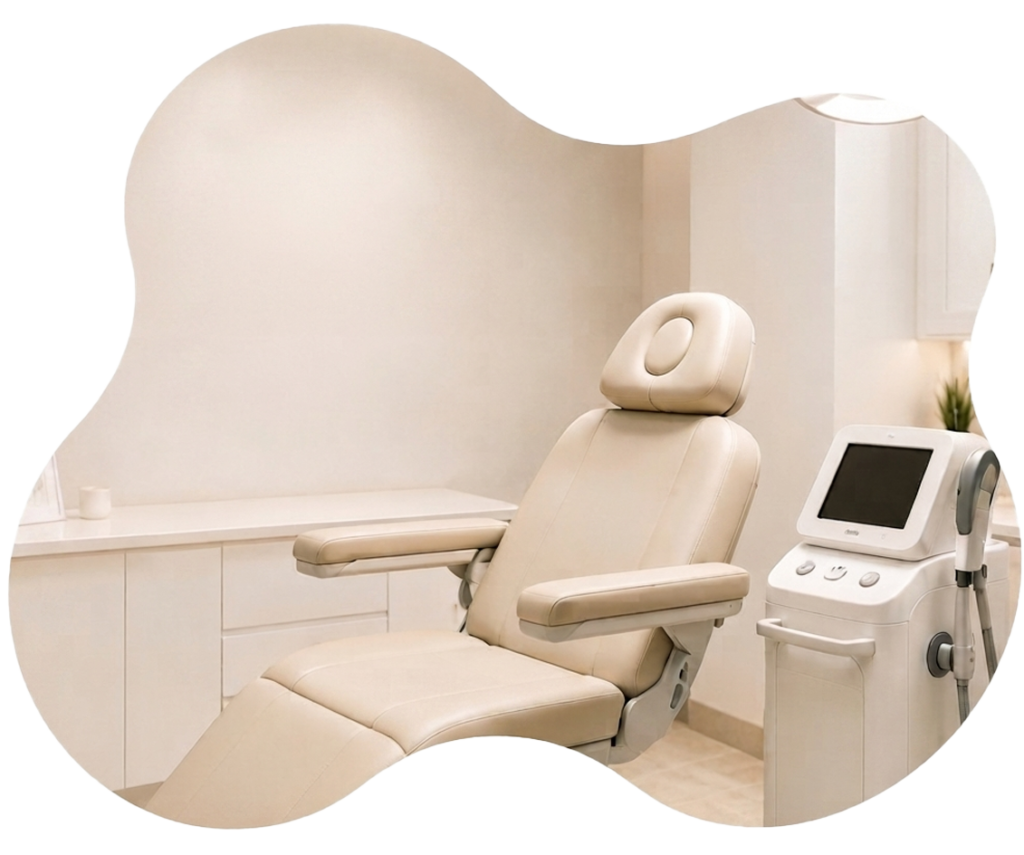
Built on Oversight.Driven by Physicians.
Real accountability. Real compliance. Real patient care.
200+
Collaborating physicians
27+
Licensed clearance providers
400+
Treatments cleared
7
Days a week
How we are built
The industry grew faster than its oversight did.
Medical aesthetics became a multi-billion dollar business in about a decade. The compliance infrastructure underneath it never caught up. Thousands of clinics are performing medical procedures under a medical director who has never seen a protocol, never reviewed a chart, and would not recognize the staff.
EliteUSMD was built to be the other thing. We are a physician-owned medical group with our own physician network, our own Good Faith Exam service, and our own compliance team — because oversight that is stitched together from three vendors is not oversight.
IN HOUSE
Physician network
200+ collaborating physicians
Medical Director relationships coordinated and supported through our network.
Physician licensure and credentials are reviewed before placement and monitored as part of our ongoing support process.
Matched only to states where they hold an active license
Your Medical Director independently reviews and approves applicable clinical protocols, performs required chart review, and provides clinical oversight consistent with applicable state requirements.
IN HOUSE
Clearance
Good Faith Exams, 7 days a week
27+ licensed NPs, PAs, and physicians performing exams
400+ treatments, each with its own question set
Built from manufacturer guidelines, not a generic intake form
Live provider review, video recorded, signed, timestamped
IN HOUSE
Compliance team
Dedicated. Not a contractor, not an afterthought.
Writes the treatment protocols your physician reviews and signs
Drafts the delegation agreement — every procedure matched to the license type authorized to perform it
Maintains the chart review log, the credentialing file, and the licensure record
Tracks state requirements as they change, and tells you when one affects your clinic
Reviews every patient complaint and adverse event alongside the 'medical director.'

The Point
These three only work as one. A medical director who doesn’t know how your patients are being cleared isn’t supervising anything. A clearance that isn’t tied to protocols a physician approved is a form. And compliance paperwork nobody clinical ever signed is decoration.

One more rule we don't bend: physicians in our network are paid a fixed fee at fair market value — never per treatment, never a share of your revenue.
Compensation that moves with volume ties a doctor's clinical judgment to your sales. That is fee-splitting, and it is the single most common structural mistake in this industry.
What we do
Three things, and they only work together.
A medical director who doesn’t know how patients are being cleared isn’t supervising anything. A clearance that isn’t tied to protocols a physician approved is a form. We don’t sell these separately because separately they don’t hold up.
Medical direction
A board-certified physician, licensed in your state, who approves your protocols, reviews charts on a documented schedule, credentials your clinical staff, meets your team monthly, and is reachable while you’re open. Real oversight — the kind that survives a regulator asking about it.
Good Faith Exams
Every patient evaluated by a licensed provider before treatment, with a question set built from manufacturer guidelines for the specific treatment they’re getting. Reviewed live, video recorded, signed, timestamped. Cleared against the protocols your medical director approved.
Compliance infrastructure
The delegation agreements, the chart review logs, the credentialing files, the license monitoring. Everything a board asks for when a complaint gets filed — built before anyone asks, kept current after.
The physician network
200+ physicians. None of them are renting you a signature.
A network is only worth something if the people in it are doing the work. Ours are, and we can prove it — because we're the ones holding them to it.
We collaborate with over 200 physicians across the country, spanning emergency medicine, family medicine, internal medicine, dermatology, and plastic surgery. Every one of them is credentialed before they see a clinic, matched only to states where they hold an active license, and monitored continuously afterward.
That range matters more than it sounds. A physician licensed in the wrong state cannot serve as your medical director — not in any state, not with any credential, not under any circumstance. Scale is what lets us say yes to a clinic in a state where a smaller network would have to say no, or worse, say yes anyway.
Alongside them sit 27+ licensed nurse practitioners, physician assistants, and physicians who perform Good Faith Exams — the clearance layer, running seven days a week, connecting patients to a provider in under forty seconds.

What we hold them to
Active state licensure
Verified before placement, monitored after
Good standing
No restrictions, probation, or pending board actions
Genuine engagement
Protocols, chart review, monthly meeting, reachable
Defined scope
Non-controlled substances only
Fixed compensation
Never per treatment, never a share of revenue
Independent judgment
Any provider can decline a patient. Nobody overrules them.
Our compliance team
Somebody has to actually write the paperwork.
A medical director who doesn’t know how patients are being cleared isn’t supervising anything. A clearance that isn’t tied to protocols a physician approved is a form. We don’t sell these separately because separately they don’t hold up.
The protocols do not write themselves, and a physician is not going to sit down and draft forty treatment protocols from scratch for your clinic. Our compliance team does that work — building the protocol library, matching each procedure to the license type authorized to perform it, and drafting the delegation agreement — and then the physician reviews it, changes what they want changed, and signs.
That order matters. The clinical sign-off is real precisely because the physician is reviewing a document rather than being handed a signature page.
After go-live, the same team maintains it: the chart review log stays current, credentialing files stay complete, licensure stays monitored, and when a state changes a rule that affects your clinic, you hear it from us rather than from a letter.
This is not an add-on and it is not billed separately. It is the part of the program that turns a physician relationship into something you could hand a regulator.
What they produce and maintain
Treatment protocols
Drafted for your service lines, reviewed and signed by your physician
Delegation agreement
Procedure by procedure, license type by license type
Chart review log
Dated, recurring, producible on request
Credentialing file
Every staff member performing a delegated procedure
Licensure monitoring
Continuous, not annual
Complaint and adverse event log
Reviewed with the medical director
Experience
We have operated the business we're now protecting.
This isn’t a consultancy that read about medical spas. Our team has built, owned, and run aesthetic and wellness practices — hiring the staff, writing the protocols, dealing with the board, sitting through the inspection.
That experience is why the program looks the way it does. We know which corners get cut, because we know why they get cut: a clinic is busy, the physician is unreachable, the patient is already in the chair, and the exam feels like a formality standing between you and revenue.
So we built a system where the compliant path is also the fast one. A Good Faith Exam that takes forty seconds to start is a Good Faith Exam that actually gets done. A protocol library that’s already written is a protocol library that gets followed. The reason most compliance fails is not that operators are reckless — it’s that doing it properly was made harder than doing it badly.
We also know what it costs to get it wrong. A board complaint doesn’t ask whether you meant well. It asks for the chart review log, the signed protocol, and the exam for the patient in question, on the date in question. Either you can produce those or you can’t.

Where we draw the line
What we won't do, and won't help you do.
Every one of these is a service somebody in this industry will happily sell you. Each one is also a reason clinics get shut down. We’d rather lose the deal.
Rent you a signature
We don’t place physicians who won’t do the work. If a doctor won’t review charts, approve protocols, or take a call, they’re not in the network. A name on a contract is not supervision, and in 2026 it isn’t even a legal fiction anymore.
Pay a physician a cut of your revenue
Compensation tied to treatment volume or revenue is fee-splitting, and it can implicate anti-kickback and corporate-practice rules. Flat fee, fair market value, every time — no matter how much a clinic asks for the other thing.
Help a non-physician control clinical care
In corporate-practice states, clinical decisions have to sit with licensed physicians. We are physician-owned, and we won’t build a structure designed to route around that — however it’s dressed up.
Give you legal advice
We’re not a law firm and we don’t pretend to be. We’ll tell you what supervision requirements generally look like and we’ll build the oversight. For a legal opinion about your specific situation, you need an attorney licensed in your state — and you should get one.
Find out where your clinic actually stands.
Fifteen minutes. Tell us your state and what you offer, and we’ll tell you what oversight you’re required to have — and whether what you’ve got would hold up.
Contact Us
Month to month. No long-term contract. No placement fee.